
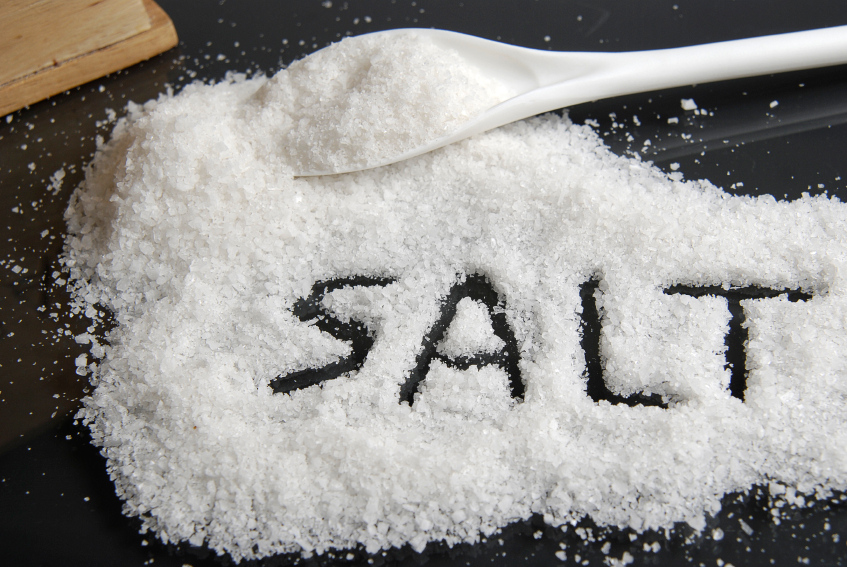
Salt is an essential nutrient but according to a report from the Food Safety Authority (2016) the average daily salt intake in Ireland is far beyond the requirement for a healthy diet. They recommend consuming no more than one teaspoon or 6gm of salt per day.
WHAT THE STUDIES SHOW
-
- High blood pressure or hypertension is one of the major causes of cardiovascular disease (CVD) which in turn, is the single highest cause of death in Ireland
-
- A report by the UK Scientific Advisory Committee on Nutrition concluded that the high salt intake of the population raises the risk of stroke and premature death from CVD
-
- A large number of studies have been conducted globally, all of which support the conclusion that salt intake is the major factor increasing blood pressure and CVD
-
- An important UK study confirmed that even a small reduction in salt intake for four or more weeks causes a significant drop in blood pressure, thereby lowering the incidence of CVD
-
- The Irish Heart Foundation advises that reducing salt intake by a half teaspoon could prevent approximately 900 deaths each year from stroke and heart attack
THE FINAL WORD
-
- Since studies show that even modest reductions in salt intake can have a significant impact on blood pressure, it seems like a quick win on the way to a healthier life
-
- In the Western world with highly processed foods, our taste buds become desensitised to salt and we crave more and more salty foods. However it is possible to retrain your taste buds in just a few weeks by replacing salt with herbs and non-sodium based spices
-
- If you still crave salt, replacing it with substitutes such as Lo-Salt is still a good option. Many of these substitutes replace sodium with a higher % of potassium so you still get the salty taste without impacting your blood pressure. In fact studies show that potassium itself can help lower blood pressure but always consult your health professional for more advice especially if you have underlying conditions related to kidney function or diabetes
- Fancier more expensive types of salt (Himalayan etc) may offer some additional minerals but the sodium content is similar to regular table salt so if you’re trying to lower your sodium intake, they don’t help
-
- Click here for more information on high blood pressure and hypertension
- REFERENCES USED IN RESEARCH FOR THIS BLOG
- Edwards, J.J., Deenmamode, A.H., Griffiths, M., Arnold, O., Cooper, N.J., Wiles, J.D. and O’Driscoll, J.M., 2023. Exercise training and resting blood pressure: a large-scale pairwise and network meta-analysis of randomised controlled trials. British Journal of Sports Medicine, 57(20), pp.1317-1326.
- Food Safety Authority of Ireland (2016). Salt and Health: Review of the Scientific Evidence and Recommendations for Public Policy in Ireland
- He, F.J., Li J. and MacGregor G.A. Effect of longer‐term modest salt reduction on blood pressure. Cochrane Database of Systematic Reviews 2013
- Irish Heart Foundation (2019) Salt
The information, including but not limited to, text, graphics, images and other material contained on this website are for informational purposes only. No material on this site is intended to be a substitute for professional medical advice, diagnosis or treatment.